
Burger Tuning at XPH: Put Performance in Your Hands
2nd Nov 2026
A rewarding upgrade gives you something to notice from the driver’s seat. It might be stronger acceleration, a more audible intake, or the ability to see what the engine is doing as you develop the car.
Burger Tuning brings several of those experiences together. Known as Burger Motorsports or BMS, the brand offers JB4 performance tuners, wireless connectivity, intake systems, and other vehicle-specific upgrades through Extreme Power House.
The appeal is having different ways into the project. You can explore tuning for a compatible turbocharged vehicle, bring more induction sound into the drive, or adjust pedal sensitivity to suit your preferences. The Burger Tuning collection at XPH gives you a place to compare those options across multiple makes.
JB4: Performance With Room to Explore
The JB4 is a central part of the Burger Tuning range. It is an application-specific tuning system that connects to the vehicle’s electronics rather than requiring an ECU flash.
On supported platforms, the experience extends beyond the initial change in performance. Available features can include different maps, data logging, diagnostics, and smartphone connectivity. The exact functions depend on the JB4 version and vehicle application.
For example, XPH’s Audi B10 S5/SQ5 JB4 listing describes CANbus integration, multiple performance maps, data monitoring, and no requirement to flash the ECU. That combination gives owners a way to pursue additional performance while keeping useful information accessible.
Begin with the JB4 designed for your exact powertrain. A shared product name does not mean every unit has the same harness, maps, or feature set.
Bring Useful Information to Your Phone
For compatible JB4 systems, the JB4PRO Bluetooth adapter and free app add wireless access to tuning and monitoring functions.
The XPH listing describes live data monitoring, automatic logging, map switching, fault-code reading and clearing, and firmware updates. The app also includes explanations of settings and tools for reviewing performance data.
That makes connectivity a useful part of an ongoing build. Logs give you information to review when evaluating a setup or discussing it with a tuner. They also help document the configuration you are using as the project changes.
Compatibility needs attention here, too. The JB4PRO adapter listing identifies newer supported JB4 systems and excludes older E-chassis BMW units and earlier versions requiring separate power wiring. Confirm both the hardware and firmware requirements, and check whether your chosen tuner already includes the adapter before adding one separately.
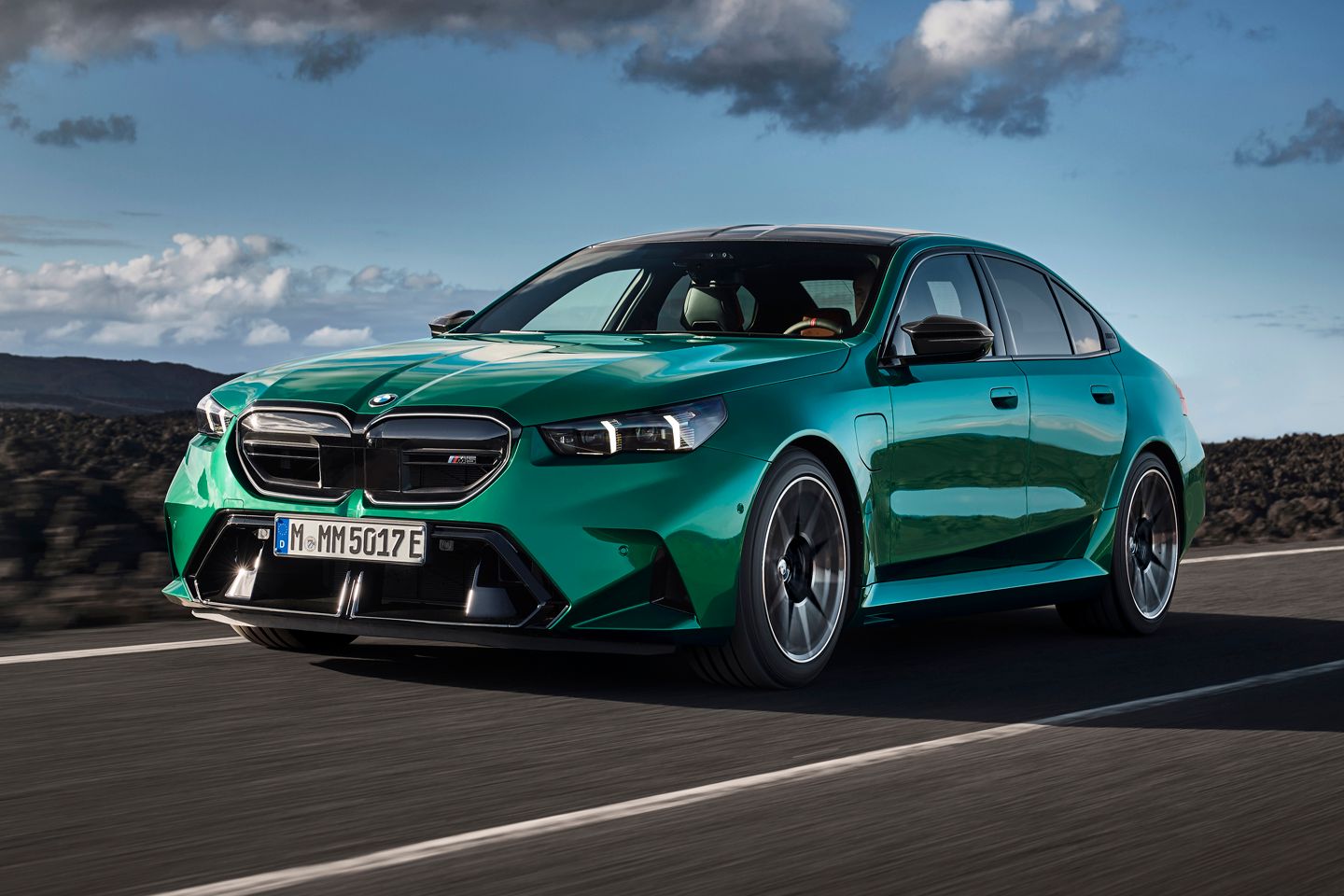
BMW G90 and G99 M5: Two Ways to Develop the Experience
XPH lists the BMS S68 JB4 tuner specifically for the 2025-onward BMW G90 M5 and G99 M5 Touring. The product describes a removable installation without cutting or splicing factory wires, along with smartphone integration and gear-specific boost limiting.
For owners exploring performance tuning on this generation, it provides a dedicated application to investigate. Fuel choice and the appropriate map belong in the plan from the start.
There is also a separate upgrade for the sound and appearance under the hood: the BMS Elite Dual Intakes for the G90/G99 M5.
This system uses aluminum intake tubes and dual inverted-cone filters while retaining the factory cold-air ducting and lower airbox. XPH lists oiled cotton and dry filter options. It is an example of choosing hardware for the experience you want, including a more pronounced induction sound, then choosing a filter configuration with its maintenance requirements in mind.
Audi B10 S5 and SQ5: Keep the Generation in Focus
The Burger Tuning catalog includes a JB4 listing for supported 2025-onward Audi B10 S5 and SQ5 models with the EA839 3.0L turbocharged V6.
For an owner browsing upgrades for a newer Audi, that generation and engine information is the starting point. Match the listing to the car before comparing advertised gains or connectivity features.
Then think about how you intend to use the system. Map options, logging, and wireless access are more useful when you understand the fuel and hardware requirements associated with them. Use the current instructions for the specific application to guide that choice.
Infiniti Q50 and Q60: Power and Induction Sound
For supported 2016-onward Infiniti Q50 and Q60 models with the VR30 3.0L twin-turbo engine, XPH offers a dedicated BMS JB4 performance tuner.
That engine designation matters because the catalog also contains separate Infiniti 2.0T products. Start with the correct powertrain, then compare the options intended for it.
Owners interested in a more audible engine bay can also explore the BMS Q50/Q60 3.0t billet intake. XPH describes the intake as replacing the factory airboxes and bringing more turbo and induction sound into the experience.
These are distinct purchases with distinct purposes. A tuner addresses performance calibration through its electronic connections; an intake changes the intake hardware. Choose either around the result you want, and verify compatibility when combining them.
Kia and Hyundai: Identify the Correct 1.6L Turbo Version
Burger Tuning’s reach includes Kia and Hyundai turbocharged applications. XPH lists a JB4 V3 for the 1.6L Smartstream turbo engine, alongside a separate V1 product for other supported 1.6L turbo applications.
The Smartstream listing provides an important identification detail: its white-sensor configuration distinguishes it from the black-sensor version requiring a different JB4.
For owners of supported vehicles such as a Kia K5 1.6T or Hyundai Sonata 1.6T, that detail deserves attention before ordering. Match the engine, connectors, and current fitment information together. It is a practical example of how the correct product version matters as much as the badge on the trunk.
Pedal Response Is Another Choice
Sometimes the desired change is how the accelerator feels under your foot.
The BMS Pedal Tuner adjusts throttle sensitivity. It does not increase engine horsepower or torque by itself. That distinction helps you choose it for the right reason: changing the relationship between pedal movement and throttle response.
XPH’s listing includes applications such as the Jeep Wrangler JL and Gladiator, with vehicle-specific compatibility requirements. Check the exact pedal connector and configuration before ordering.
For a suitable vehicle, this offers a different kind of personalization within the Burger Tuning range. Consider how much sensitivity feels comfortable for your driving and follow the product’s adjustment instructions.
Find Your Next Burger Tuning Upgrade at XPH
Start with what you want to experience. Additional acceleration points you toward the correct JB4 application. More induction sound brings intake options into focus. Wireless monitoring adds information, while a pedal tuner addresses accelerator sensitivity.
From there, confirm the vehicle, engine, product version, and included components. A clear goal makes the range easier to navigate and helps each purchase contribute to the car you want to build.
Brand link: https://x-ph.com/brands/Burger-Tuning.html